Last Updated on October 15, 2025 by Carlo Dach
In a world increasingly dominated by digital marketing, it’s easy to overlook the power of something as traditional as a printed poster. With algorithms, pay-per-click ads and social media feeds taking centre stage, many businesses are left wondering whether physical marketing still holds a place. But printed posters aren’t just a throwback to a different era—they remain a highly effective tool when used in the right context and with the right message.
Posters have a unique ability to make a bold, visual statement in the real world. Unlike digital adverts that can be swiped away or skipped, a well-designed poster in a high-traffic area demands attention. It doesn’t need to load, it doesn’t disappear after five seconds, and it doesn’t rely on a mobile screen. When used strategically, printed posters continue to build brand awareness, promote events, and drive footfall to local businesses across a range of industries.
Table of Contents
Capturing Attention in the Physical World
One of the main advantages of a printed poster is its visibility. A professionally printed poster displayed in the right place becomes part of the environment, seen by the same people daily or by crowds passing through busy locations. That repeated exposure helps cement your message in people’s minds. It creates familiarity, even if only subconsciously at first.
In high street shop windows, on noticeboards, at train stations, or on lamp posts near busy pedestrian crossings, posters create presence. They don’t need to compete with digital clutter, browser tabs, or notification pings. They simply exist in the space people already move through. When combined with strong design and a clear call to action, they can be remarkably persuasive.
Cost-Effective for Local Reach
For local businesses, printed posters offer excellent value for money. Whether you’re promoting a new menu, a seasonal offer, or an upcoming gig, posters allow you to target specific geographic areas without the expense of digital ad targeting or SEO. You can place them exactly where your customers are—on nearby streets, in local cafes, gyms, or shop windows. Traditional marketing remains powerful for small enterprises, and Urban Splatter like sources provide useful strategies and ideas to help businesses design effective printed posters that attract attention and boost local visibility.
This kind of community-based visibility helps small businesses build a trusted and recognisable presence in their area. It also supports word-of-mouth marketing, as people who see the poster in person are more likely to mention it to friends, family or colleagues than they might a fleeting online advert.
Effective in Event Promotion
Posters have long been a staple of event promotion—and for good reason. Music venues, theatres, festivals, exhibitions and community events still rely heavily on posters to drive attendance. They serve as visual reminders in the days and weeks leading up to the event and can be designed to reflect the energy or mood of what’s on offer.
In this context, posters do more than inform—they excite. Bold colours, eye-catching fonts, and clever imagery can create anticipation. When strategically placed near ticket outlets, transport links or in areas where the target audience gathers, posters become part of the pre-event build-up. Even digital-first events often benefit from local poster campaigns to support visibility and credibility.
Still Relevant in the Arts and Creative Sectors
Art galleries, independent cinemas, theatres and design-led businesses continue to embrace printed posters not only as marketing tools but as extensions of their visual identity. In these sectors, the poster itself can become part of the creative message. People still collect and display posters from their favourite exhibitions, performances and brands, turning marketing material into memorabilia.
Printed posters also offer an important tactile, human quality that aligns well with brands looking to connect emotionally. In creative sectors, where the visual experience matters as much as the product or service itself, posters offer an opportunity to express style, mood and values in a way that’s hard to replicate online.
Building Brand Awareness for Start-Ups and Independents
For start-ups or businesses with limited marketing budgets, posters provide a powerful way to gain traction in the local market. When you’re trying to grow a brand from the ground up, it helps to be seen—not just online, but in physical locations that people walk past every day.
A poster campaign around a local high street, campus, or business district can quickly build awareness, even before the brand gains visibility on search engines or social media. Posters also offer flexibility in terms of scale. You can print and display a handful in strategic places, or go big with multiple placements depending on your budget and ambition.
Enhancing Retail and In-Store Experiences
Inside retail spaces, posters remain a key part of visual merchandising. They can direct customer attention to new products, highlight seasonal promotions, or simply reinforce brand identity throughout the store. When placed in shop windows, they offer a direct invitation to passers-by, encouraging them to step inside and explore further.
In-store posters are particularly valuable because they catch people who are already in a buying mindset. They’re not interrupting the shopping experience—they’re enhancing it. Whether it’s a local clothes shop, a hair salon, a sports store or a bakery, professionally printed posters can influence decision-making and drive immediate action.
Supporting Educational and Public Sector Campaigns
Public sector organisations, charities and educational institutions continue to use posters to deliver important messages. In schools, colleges and universities, posters remain a reliable way to share updates, promote societies, or encourage attendance at lectures and open days. In public spaces, posters are used to raise awareness of health campaigns, safety guidance, or civic events.
Because they can be understood at a glance and placed in high-visibility areas, posters are ideal for time-sensitive or widespread messaging. When designed well, they can distil complex ideas into simple, powerful visuals that people remember long after they’ve walked past.
Reinforcing Online Campaigns with Offline Visibility
Printed posters and digital marketing don’t need to compete—they can complement each other. A poster campaign can reinforce a message people have already seen online, making it more memorable and credible. Adding QR codes or social media handles gives the audience a direct path from the physical world to your digital platforms.
In a time where audiences are bombarded by online adverts and short attention spans are the norm, posters offer a break in the noise. They’re physical, deliberate, and often more memorable because they aren’t trying to fight for screen time. A good poster can continue to work long after it’s put up—day and night, without the need for updates or battery power.
A Timeless Format with Modern Purpose
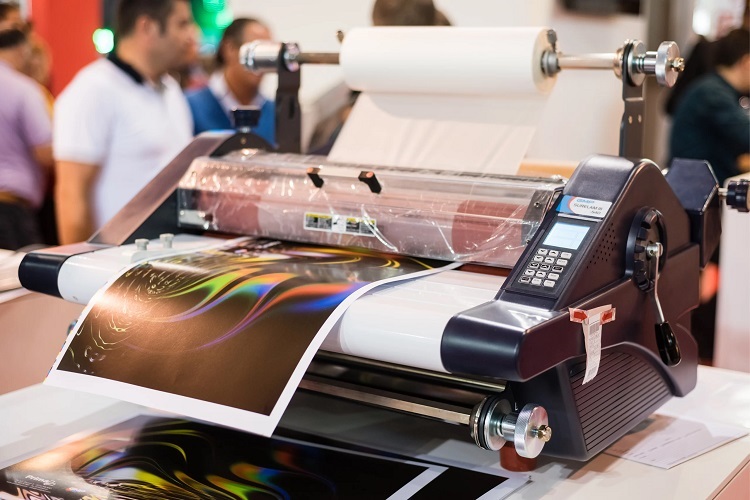
While digital marketing continues to advance, the printed poster—brought to life through the power of the printing press—remains a key player in today’s marketing landscape. When well-designed and strategically positioned, a poster becomes more than just printed paper; it acts as a bold, lasting voice for your brand, message, or event.
Industries that rely on a strong local presence, creative expression, or face-to-face engagement continue to see the value in poster campaigns. From independent shops and event organisers to public sector initiatives and community projects, printed posters still do what they were always made to do—stand out and get noticed.